
Jul 22, 2026
Tennis String Tension Chart
Confused about what tension to string your tennis racquet at? Our tennis string tension chart breaks it down by string type, playing style, and skill level.
Tennis Strings
Comparisons
Verdict
Chart
Tennis String Tension Chart: The Complete Guide to Getting It Right
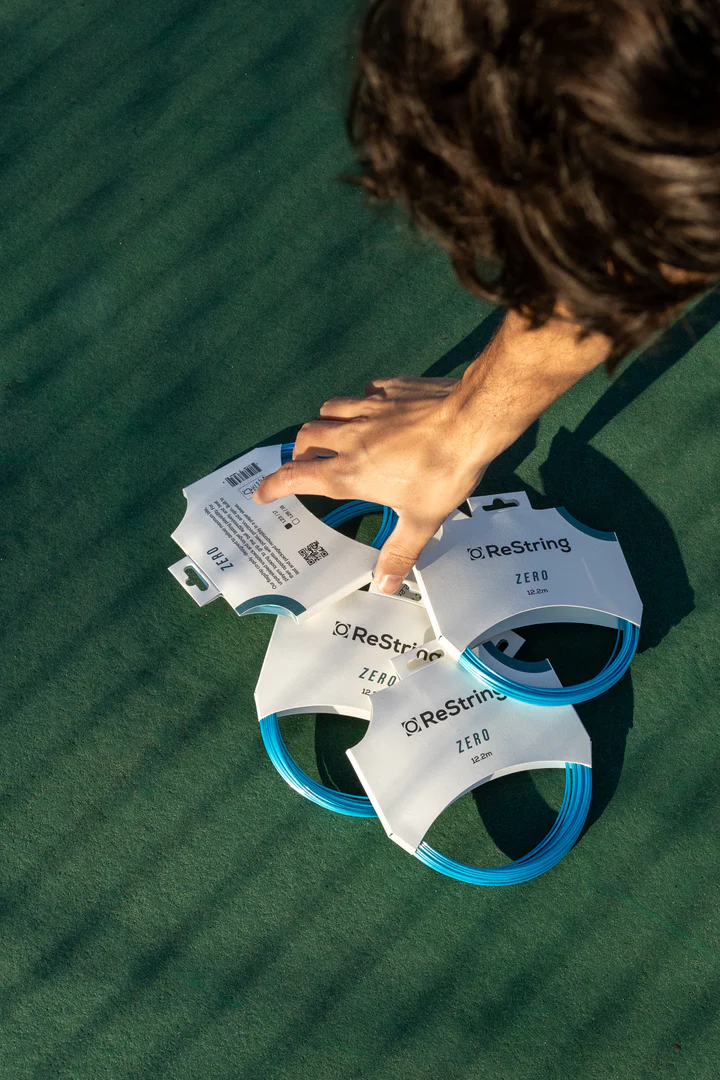
If you've ever stood at the counter of a stringing shop and been asked "what tension?", you know how easy it is to freeze up. One number on your racquet's throat, a dozen conflicting opinions online, and suddenly you're guessing. This guide breaks it down properly, so you leave with a number you actually understand, not one you picked at random.
Overview
What Is String Tension, Exactly?
String tension is how tightly your strings are pulled when they're installed, measured in pounds (lbs) or kilograms (kg). Most racquets are strung somewhere between 40 and 65 lbs (18–29 kg), though the exact range depends heavily on the racquet and string type.
Every racquet frame has a manufacturer-recommended tension range printed on the inside of the throat or head. That range isn't arbitrary, it's been tested to keep the frame performing well without risking damage to it.

Trade-off
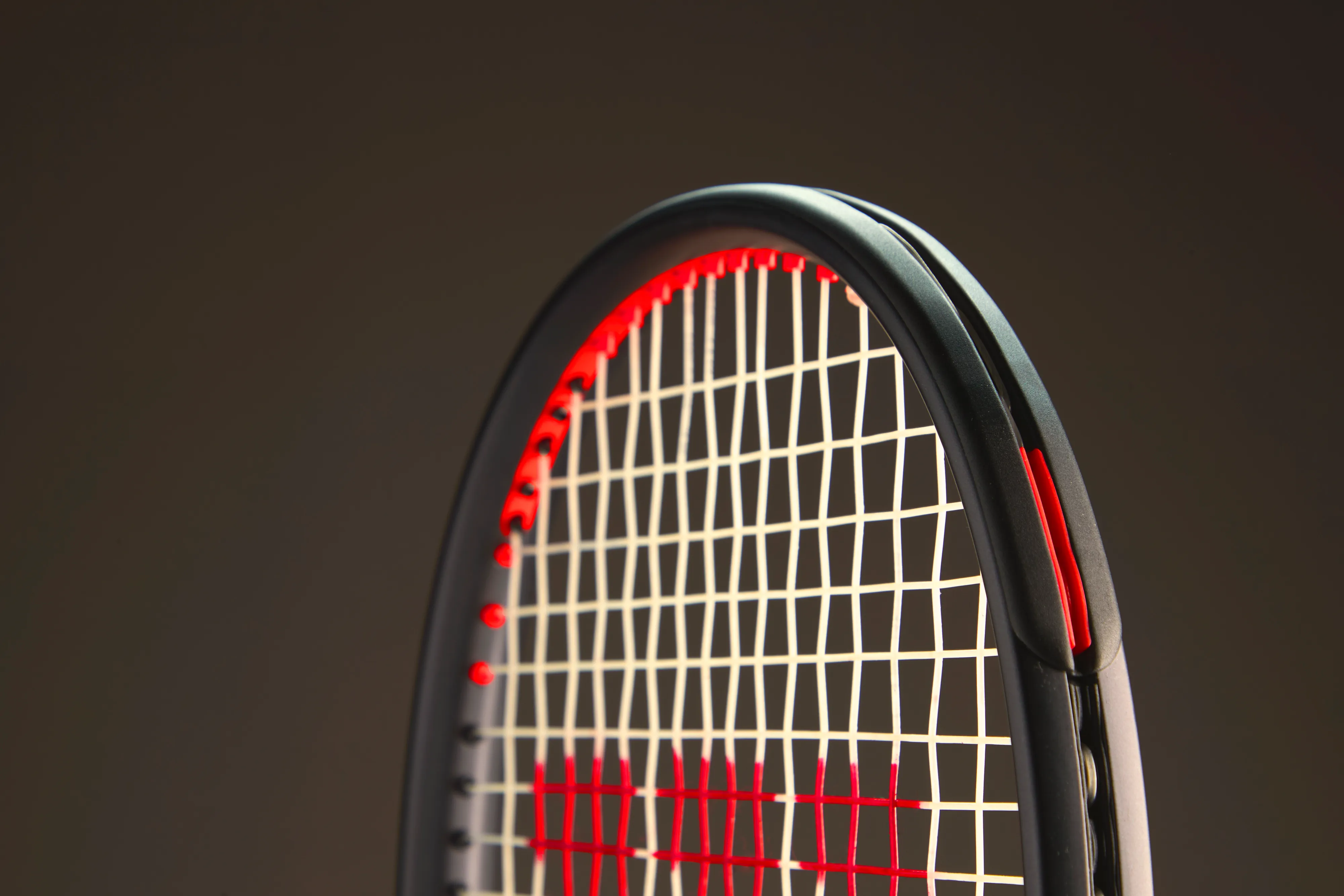
The Core Trade-Off: Power vs. Control
Tennis String Tension Chart
Use this as a starting point, then fine-tune from there based on how it feels.
Player Profile | Recommended Tension | Why |
|---|---|---|
Beginner / recreational | 45–52 lbs (20–24 kg) | Easier power, more forgiving on mishits, softer on the arm |
Intermediate / club player | 50–57 lbs (23–26 kg) | Balanced blend of power and control |
Advanced / competitive player | 55–62 lbs (25–28 kg) | More precision and feel for shot placement |
Players with tennis elbow or arm pain | Low end of racquet's range | Softer string bed reduces shock transferred to the arm |
String Type | Typical Tension Range | Notes |
|---|---|---|
Natural gut | 50–60 lbs | Naturally elastic, needs less tension adjustment for comfort |
Multifilament (synthetic gut) | 50–58 lbs | Soft and arm-friendly, similar feel to natural gut |
Polyester (poly) | 45–55 lbs | Stiffer material, string it lower than you'd think, or risk arm strain |
Hybrid (poly main / synthetic cross) | 48–56 lbs (mains often 2–4 lbs lower than crosses) | Combines poly's durability with synthetic's comfort |

FAQ
01
How do you conduct a tennis racquet review?
02
Are your tennis racquet reviews independent?
03
Which tennis racquets have you reviewed?
04
How do I find the best tennis racquet review for my level?
05
How often do you publish new tennis racquet reviews?
Jul 22, 2026
Tennis String Tension Chart
Confused about what tension to string your tennis racquet at? Our tennis string tension chart breaks it down by string type, playing style, and skill level.
Tennis Strings
Comparisons
Verdict
Chart
Tennis String Tension Chart: The Complete Guide to Getting It Right
If you've ever stood at the counter of a stringing shop and been asked "what tension?", you know how easy it is to freeze up. One number on your racquet's throat, a dozen conflicting opinions online, and suddenly you're guessing. This guide breaks it down properly, so you leave with a number you actually understand, not one you picked at random.
Overview
What Is String Tension, Exactly?
String tension is how tightly your strings are pulled when they're installed, measured in pounds (lbs) or kilograms (kg). Most racquets are strung somewhere between 40 and 65 lbs (18–29 kg), though the exact range depends heavily on the racquet and string type.
Every racquet frame has a manufacturer-recommended tension range printed on the inside of the throat or head. That range isn't arbitrary, it's been tested to keep the frame performing well without risking damage to it.
Trade-off
The Core Trade-Off: Power vs. Control
Tennis String Tension Chart
Use this as a starting point, then fine-tune from there based on how it feels.
Player Profile | Recommended Tension | Why |
|---|---|---|
Beginner / recreational | 45–52 lbs (20–24 kg) | Easier power, more forgiving on mishits, softer on the arm |
Intermediate / club player | 50–57 lbs (23–26 kg) | Balanced blend of power and control |
Advanced / competitive player | 55–62 lbs (25–28 kg) | More precision and feel for shot placement |
Players with tennis elbow or arm pain | Low end of racquet's range | Softer string bed reduces shock transferred to the arm |
String Type | Typical Tension Range | Notes |
|---|---|---|
Natural gut | 50–60 lbs | Naturally elastic, needs less tension adjustment for comfort |
Multifilament (synthetic gut) | 50–58 lbs | Soft and arm-friendly, similar feel to natural gut |
Polyester (poly) | 45–55 lbs | Stiffer material, string it lower than you'd think, or risk arm strain |
Hybrid (poly main / synthetic cross) | 48–56 lbs (mains often 2–4 lbs lower than crosses) | Combines poly's durability with synthetic's comfort |
FAQ
01
How do you conduct a tennis racquet review?
02
Are your tennis racquet reviews independent?
03
Which tennis racquets have you reviewed?
04
How do I find the best tennis racquet review for my level?
05
How often do you publish new tennis racquet reviews?
Jul 22, 2026
Tennis String Tension Chart
Confused about what tension to string your tennis racquet at? Our tennis string tension chart breaks it down by string type, playing style, and skill level.
Tennis Strings
Comparisons
Verdict
Chart
Tennis String Tension Chart: The Complete Guide to Getting It Right
If you've ever stood at the counter of a stringing shop and been asked "what tension?", you know how easy it is to freeze up. One number on your racquet's throat, a dozen conflicting opinions online, and suddenly you're guessing. This guide breaks it down properly, so you leave with a number you actually understand, not one you picked at random.
Overview
What Is String Tension, Exactly?
String tension is how tightly your strings are pulled when they're installed, measured in pounds (lbs) or kilograms (kg). Most racquets are strung somewhere between 40 and 65 lbs (18–29 kg), though the exact range depends heavily on the racquet and string type.
Every racquet frame has a manufacturer-recommended tension range printed on the inside of the throat or head. That range isn't arbitrary, it's been tested to keep the frame performing well without risking damage to it.
Trade-off
The Core Trade-Off: Power vs. Control
Tennis String Tension Chart
Use this as a starting point, then fine-tune from there based on how it feels.
Player Profile | Recommended Tension | Why |
|---|---|---|
Beginner / recreational | 45–52 lbs (20–24 kg) | Easier power, more forgiving on mishits, softer on the arm |
Intermediate / club player | 50–57 lbs (23–26 kg) | Balanced blend of power and control |
Advanced / competitive player | 55–62 lbs (25–28 kg) | More precision and feel for shot placement |
Players with tennis elbow or arm pain | Low end of racquet's range | Softer string bed reduces shock transferred to the arm |
String Type | Typical Tension Range | Notes |
|---|---|---|
Natural gut | 50–60 lbs | Naturally elastic, needs less tension adjustment for comfort |
Multifilament (synthetic gut) | 50–58 lbs | Soft and arm-friendly, similar feel to natural gut |
Polyester (poly) | 45–55 lbs | Stiffer material, string it lower than you'd think, or risk arm strain |
Hybrid (poly main / synthetic cross) | 48–56 lbs (mains often 2–4 lbs lower than crosses) | Combines poly's durability with synthetic's comfort |
FAQ
How do you conduct a tennis racquet review?
Are your tennis racquet reviews independent?
Which tennis racquets have you reviewed?
How do I find the best tennis racquet review for my level?
How often do you publish new tennis racquet reviews?